

Why Home Workouts Are More Effective Than You Think
Many people believe that getting fit requires a gym membership, expensive equipment, or intense training plans. In reality, some of the most effective fitness routines can be done at home using nothing but your body weight.
A home workout routine is especially powerful for beginners. It removes pressure, saves time, and allows you to build consistency without feeling overwhelmed. Fitness doesn’t start in the gym — it starts with daily movement.
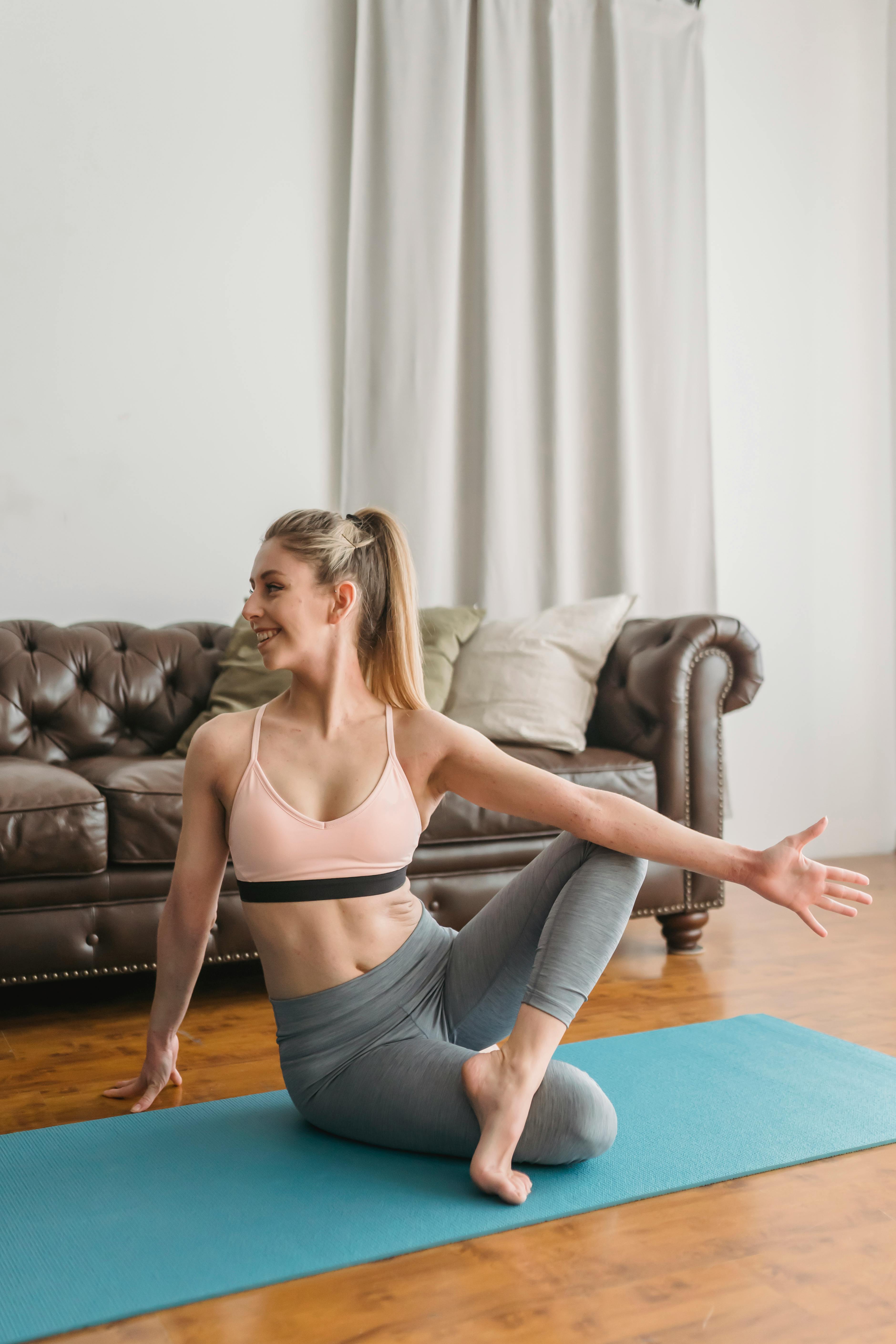
What Makes a Good Beginner Fitness Routine?
A good beginner workout routine should focus on:
Safety
Proper form
Full-body movement
Gradual progression
The goal is not to exhaust yourself, but to build strength, endurance, and confidence over time.

Benefits of Home Workouts for Beginners
Home workouts offer several advantages:
No gym intimidation
Flexible schedule
Zero equipment needed
Easier consistency
For beginners, consistency matters far more than intensity.
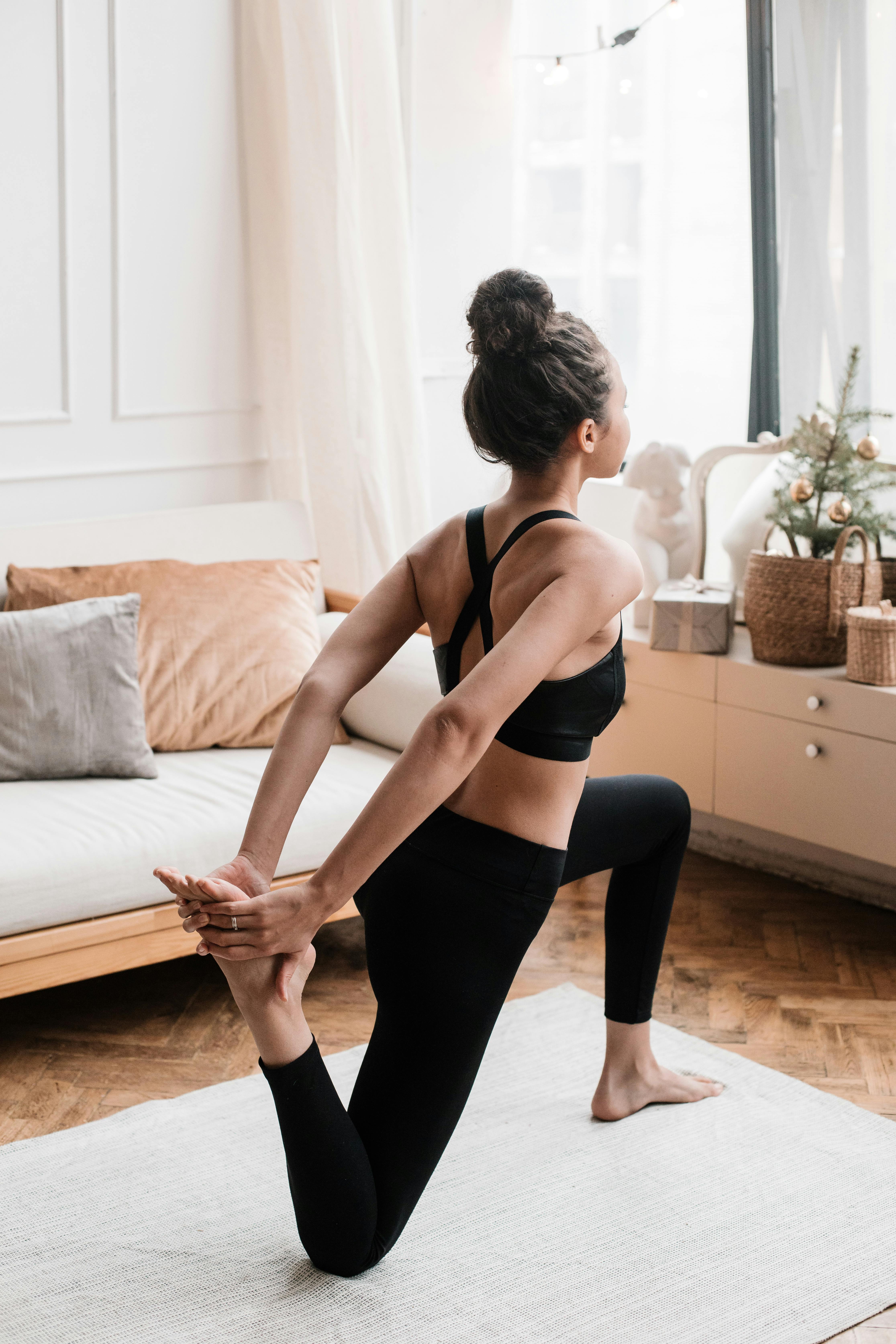
Warm-Up: Preparing Your Body for Exercise
Warming up reduces injury risk and improves performance. A proper warm-up increases blood flow and prepares joints and muscles.
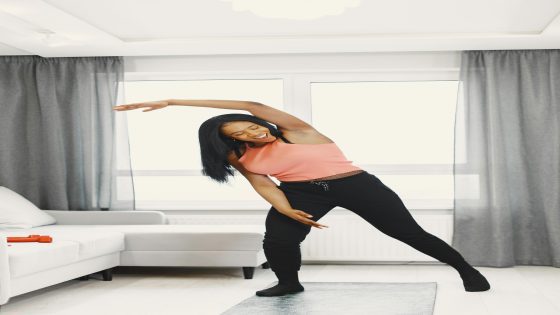
Simple warm-up movements:
Arm circles
Marching in place
Light squats
Shoulder rolls
Spend 5–7 minutes warming up.
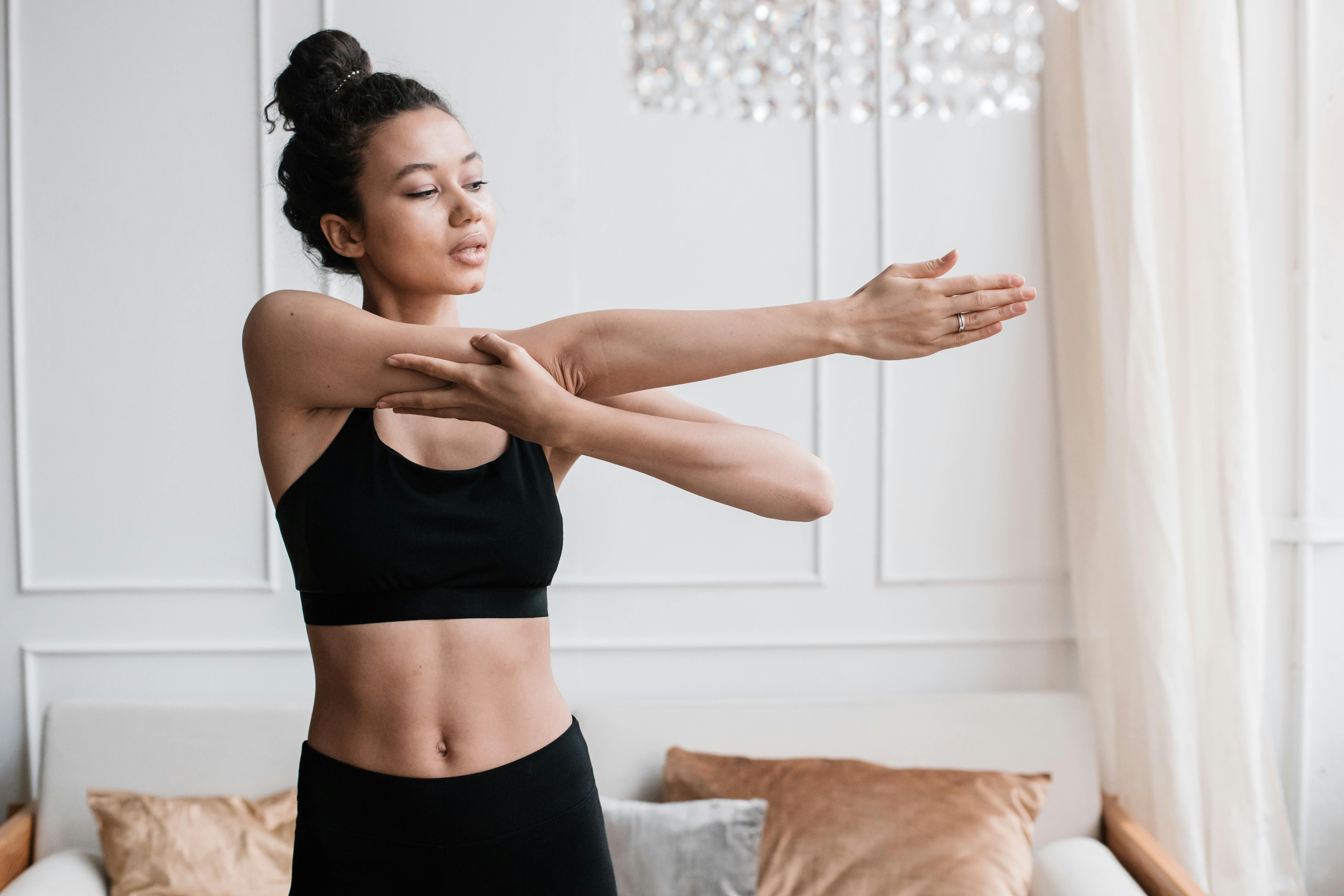
Full-Body Home Workout Routine for Beginners
This routine targets all major muscle groups and can be done 3–4 times per week.
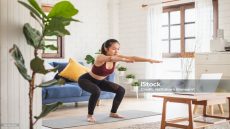
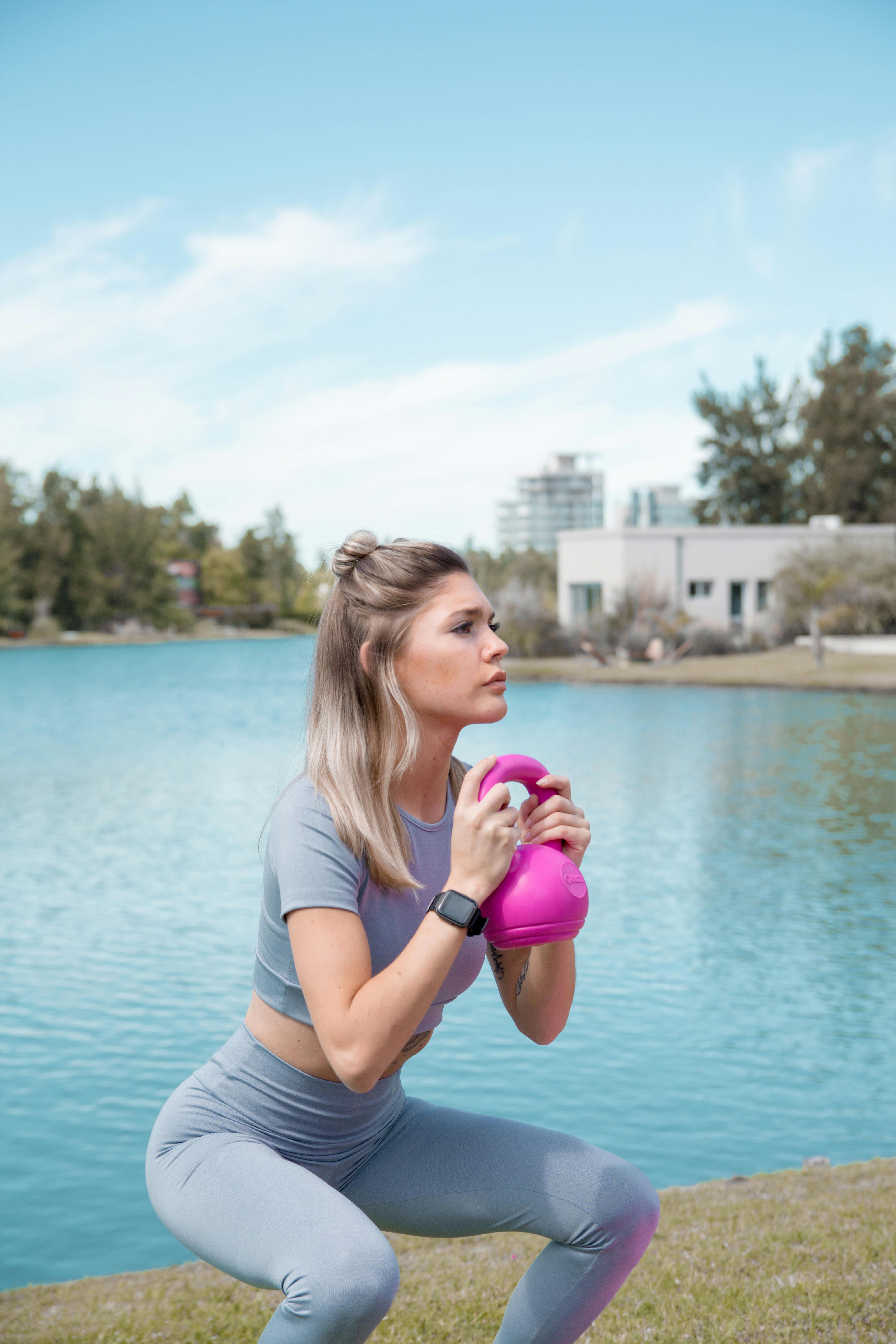
1. Bodyweight Squats
Strengthens legs and glutes.
3 sets of 10–12 reps
2. Push-Ups (Modified if Needed)
Builds chest, shoulders, and arms.
3 sets of 8–10 reps
Knee push-ups are perfectly fine

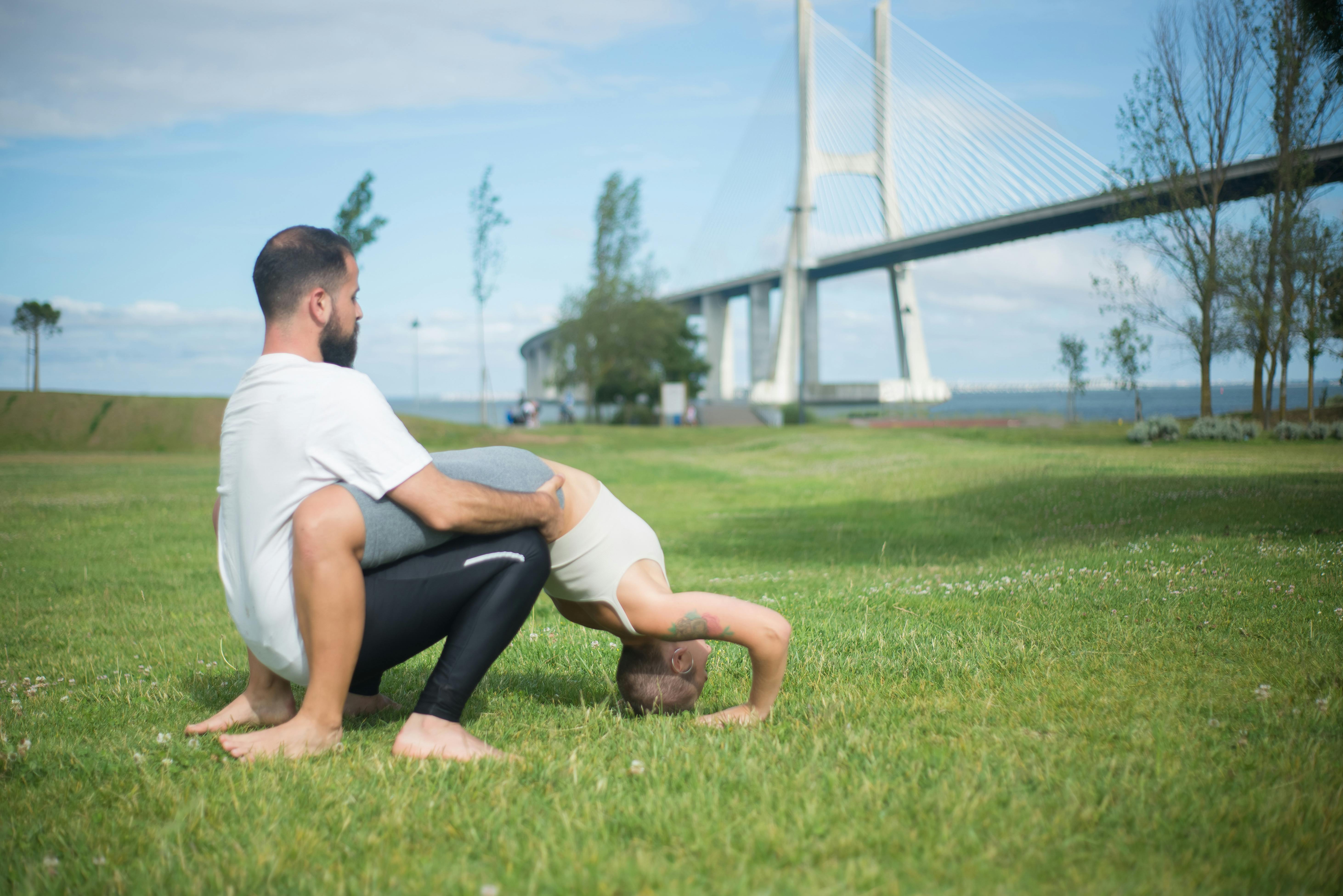
3. Glute Bridges
Targets glutes and lower back.
3 sets of 12–15 reps
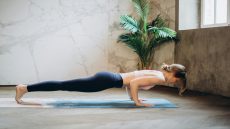
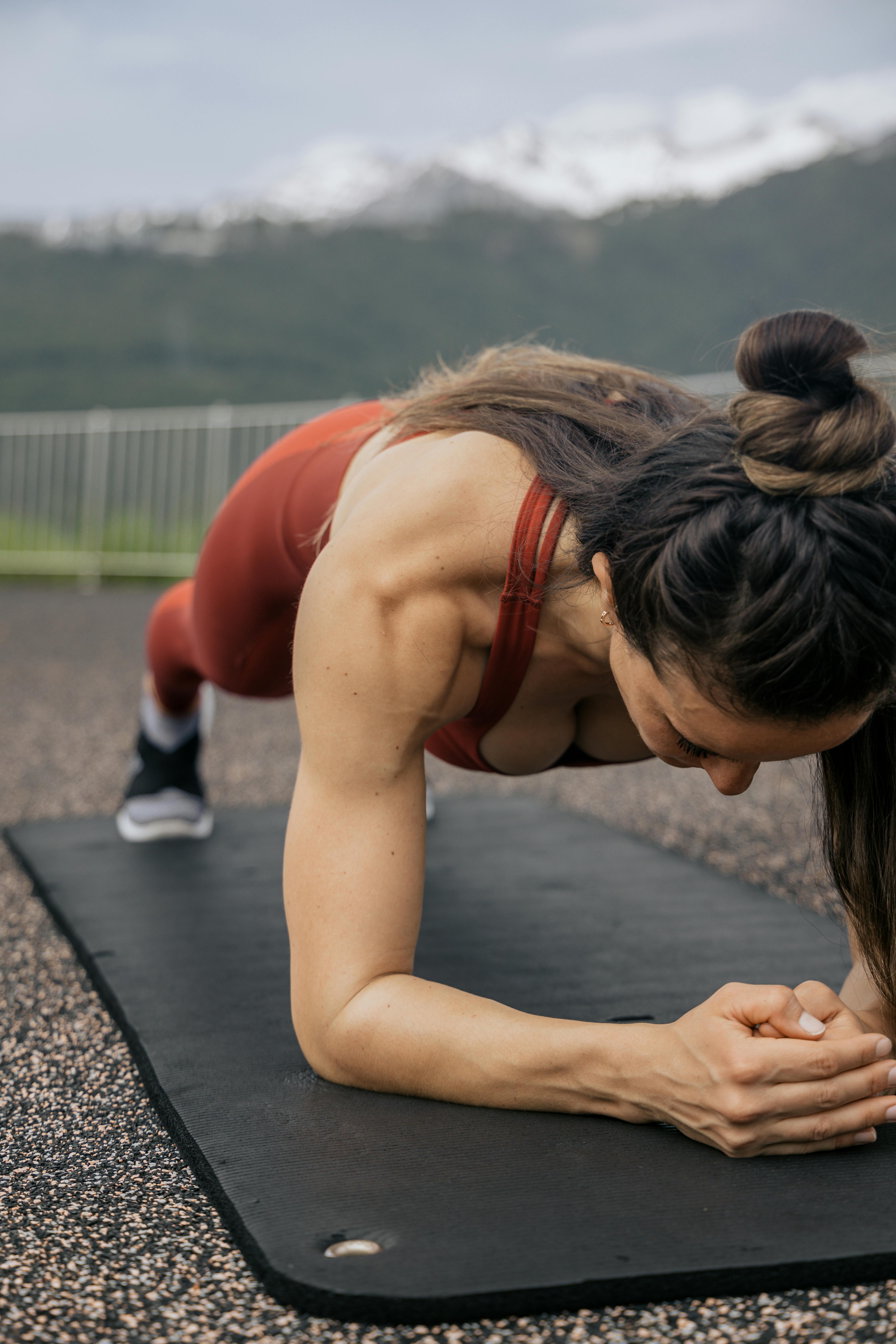
4. Plank Hold
Improves core strength and stability.
Hold for 20–30 seconds
Increase gradually
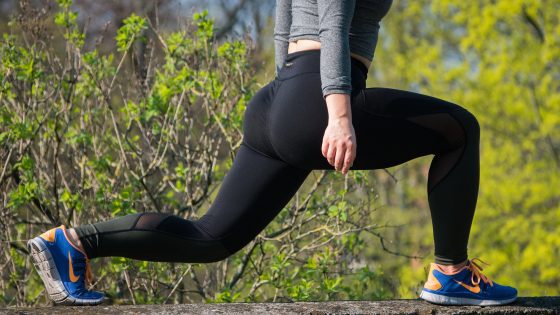
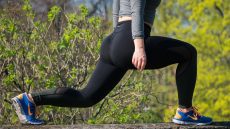
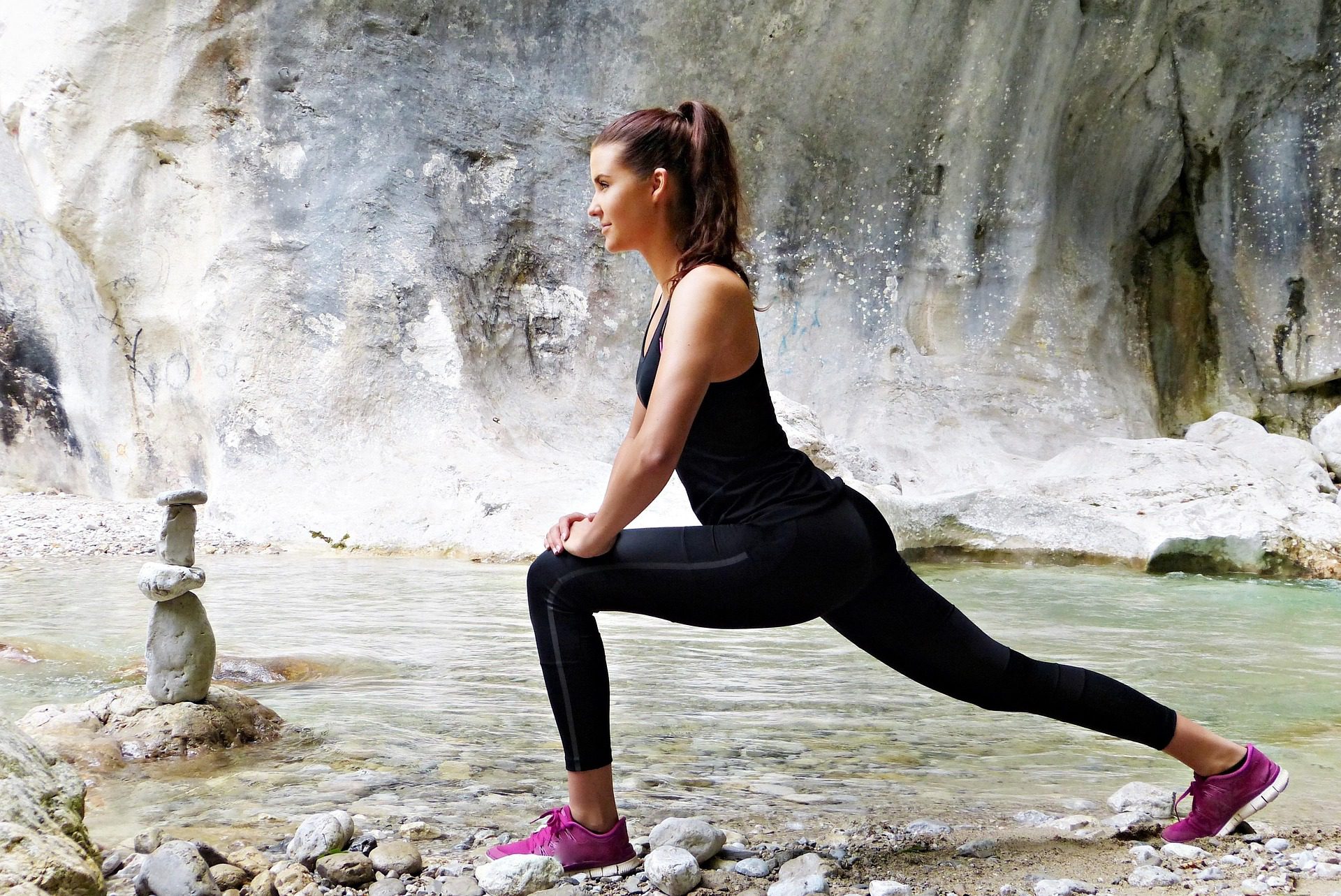
5. Standing Lunges
Enhances balance and leg strength.
2–3 sets of 8 reps per leg
Rest and Recovery Between Workouts
Rest days are essential. Muscles grow and recover during rest, not during exercise.
Aim for:
At least 1 rest day between sessions
Light walking or stretching on rest days

How Long Should a Beginner Workout Last?
A beginner home workout should last:
20–30 minutes
Including warm-up and cool-down
Short workouts done consistently are more effective than long workouts done occasionally.
Cardio at Home Without Equipment
Cardio helps burn calories and improve heart health. You don’t need machines to get your heart rate up.
Simple home cardio options:
Marching in place
Jumping jacks (low-impact if needed)
Step-backs
Shadow boxing
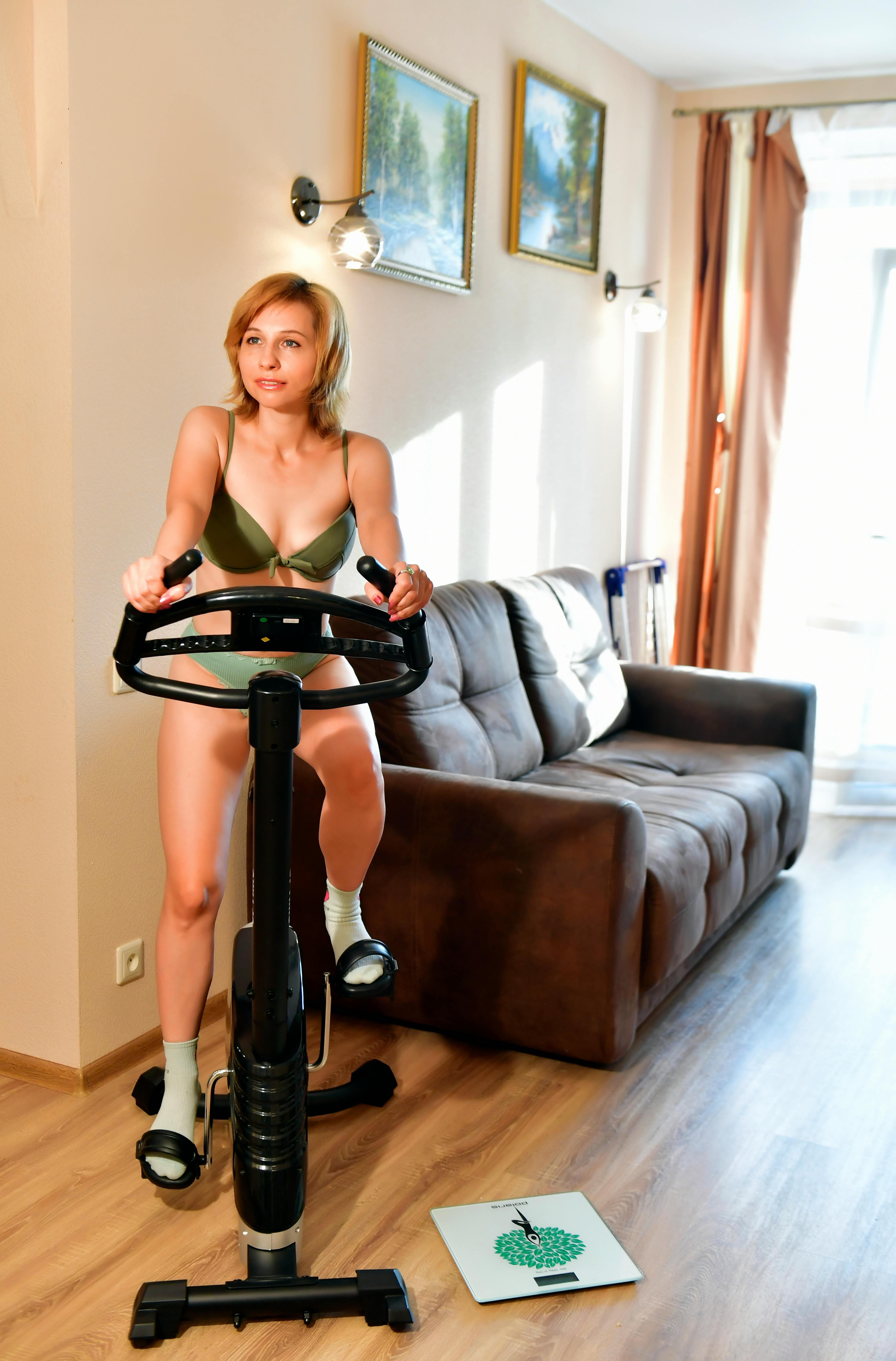
Fat Loss and Home Workouts: What to Expect
Home workouts support fat loss when combined with proper nutrition. Exercise alone is not enough — consistency and healthy eating habits matter.
Fat loss happens gradually and sustainably when routines are realistic.
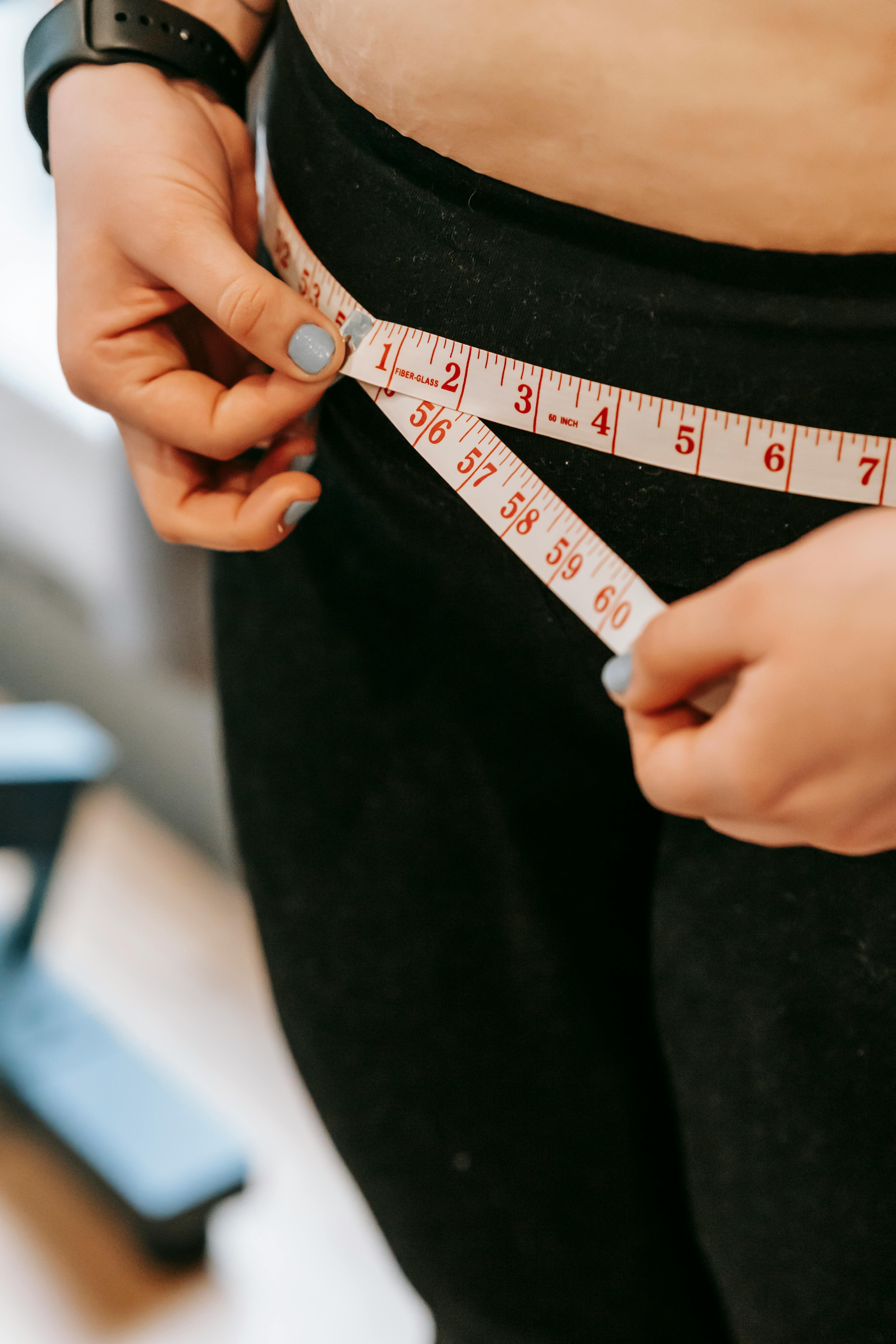
Common Beginner Fitness Mistakes to Avoid
Avoid these mistakes:
Skipping warm-ups
Training every day without rest
Expecting fast results
Comparing yourself to others
Fitness is personal. Progress looks different for everyone.
How to Stay Consistent With Home Workouts
Consistency comes from simplicity:
Set a regular time
Keep workouts short
Track progress weekly
Focus on habit, not motivation
Small daily actions lead to long-term fitness success.

When to Increase Difficulty
As exercises become easier:
Add reps
Increase hold time
Slow down movements
Reduce rest time
Progression keeps workouts effective.

Fitness and Mental Health Benefits
Home workouts improve:
Mood
Energy levels
Confidence
Stress management
Physical movement supports mental well-being just as much as physical health.

Final Thoughts: Fitness Starts at Home
You don’t need perfection to get fit. You need consistency, patience, and a routine you can maintain.
A home workout routine for beginners is one of the safest and most effective ways to build a healthy, active lifestyle.
Start small. Stay consistent. Results will follow.
Trusted Sources
According to the Mayo Clinic, beginner-friendly exercise routines help improve overall health and reduce injury risk.
The American Council on Exercise recommends simple home workouts for building strength without equipment.