


Most people don’t fail at weight loss because they lack motivation. They fail because they follow plans that were never designed for real life. Strict diets, unrealistic rules, and extreme restrictions may show quick results, but they almost always lead to frustration and weight regain.
Sustainable weight loss is different. It focuses on nutrition habits you can maintain, meals you actually enjoy, and a lifestyle that fits into your daily routine. This approach is not about fast results — it’s about lasting change.

What Sustainable Weight Loss Really Means
Sustainable weight loss means losing weight in a way that you can maintain for years, not weeks. It does not involve extreme dieting, food elimination, or constant hunger.
Instead, it focuses on:
Healthy eating habits
Balanced nutrition
Realistic calorie control
Long-term lifestyle changes
When weight loss feels manageable, consistency becomes easy.

Why Extreme Diets Fail Almost Everyone
Extreme diets usually fail because they:
Are too restrictive
Ignore hunger and lifestyle
Create mental burnout
Are impossible to maintain
Cutting entire food groups or following rigid meal plans may work short term, but real life always wins. Sustainable weight loss works because it adapts to your life — not the other way around.

Calories Matter, But Food Quality Matters More
A calorie deficit is necessary for weight loss, but how those calories are consumed matters just as much. Highly processed foods make it easy to overeat, while whole foods naturally regulate appetite.
Focusing on food quality helps control calories without constant tracking.

Building a Healthy Diet Plan for Weight Loss
A healthy diet plan for weight loss doesn’t require perfection. It requires balance.
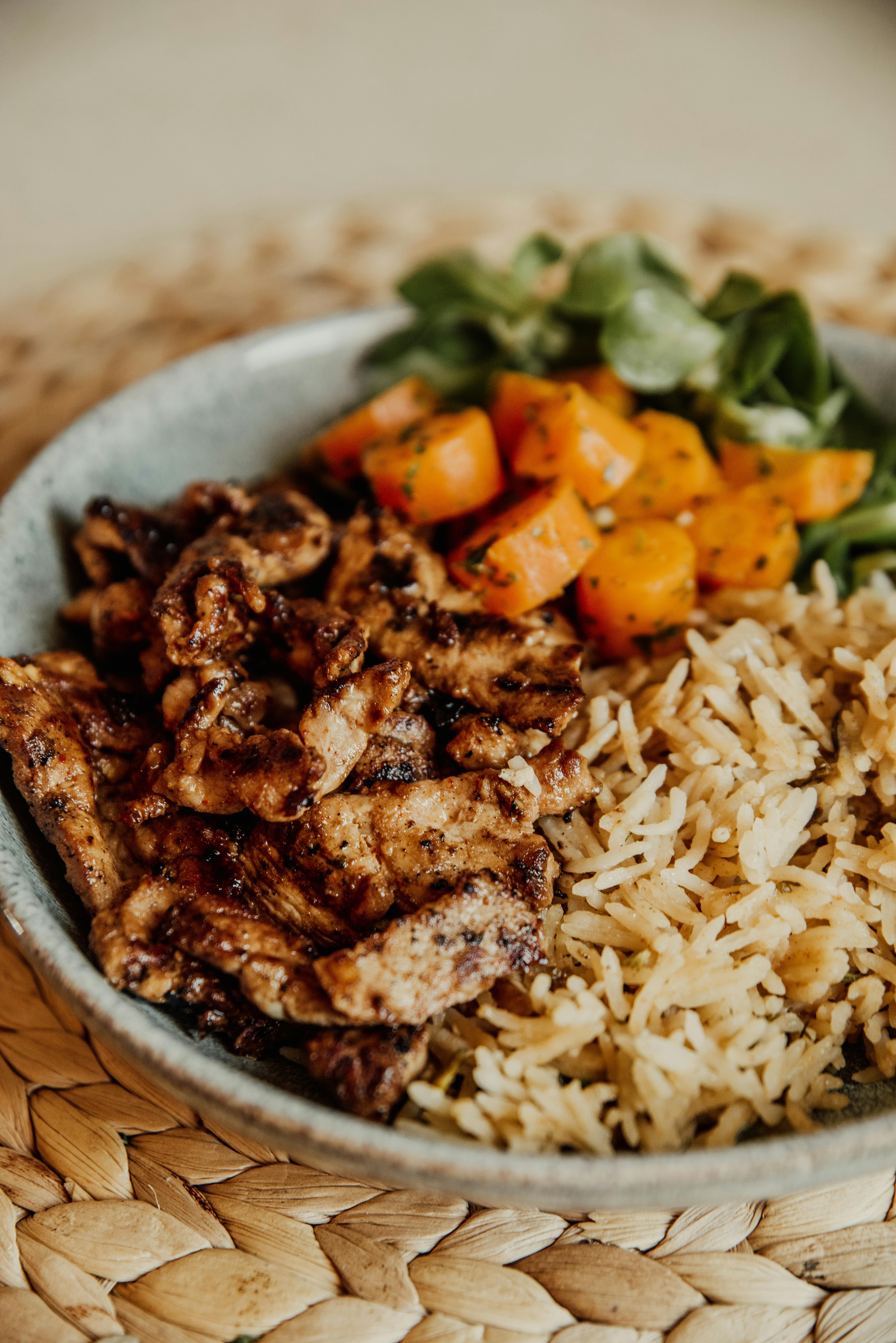
A sustainable plate usually includes:
Lean protein
Vegetables
Healthy carbohydrates
Healthy fats
This structure supports energy, satiety, and long-term consistency.
Protein: The Foundation of Weight Loss Nutrition
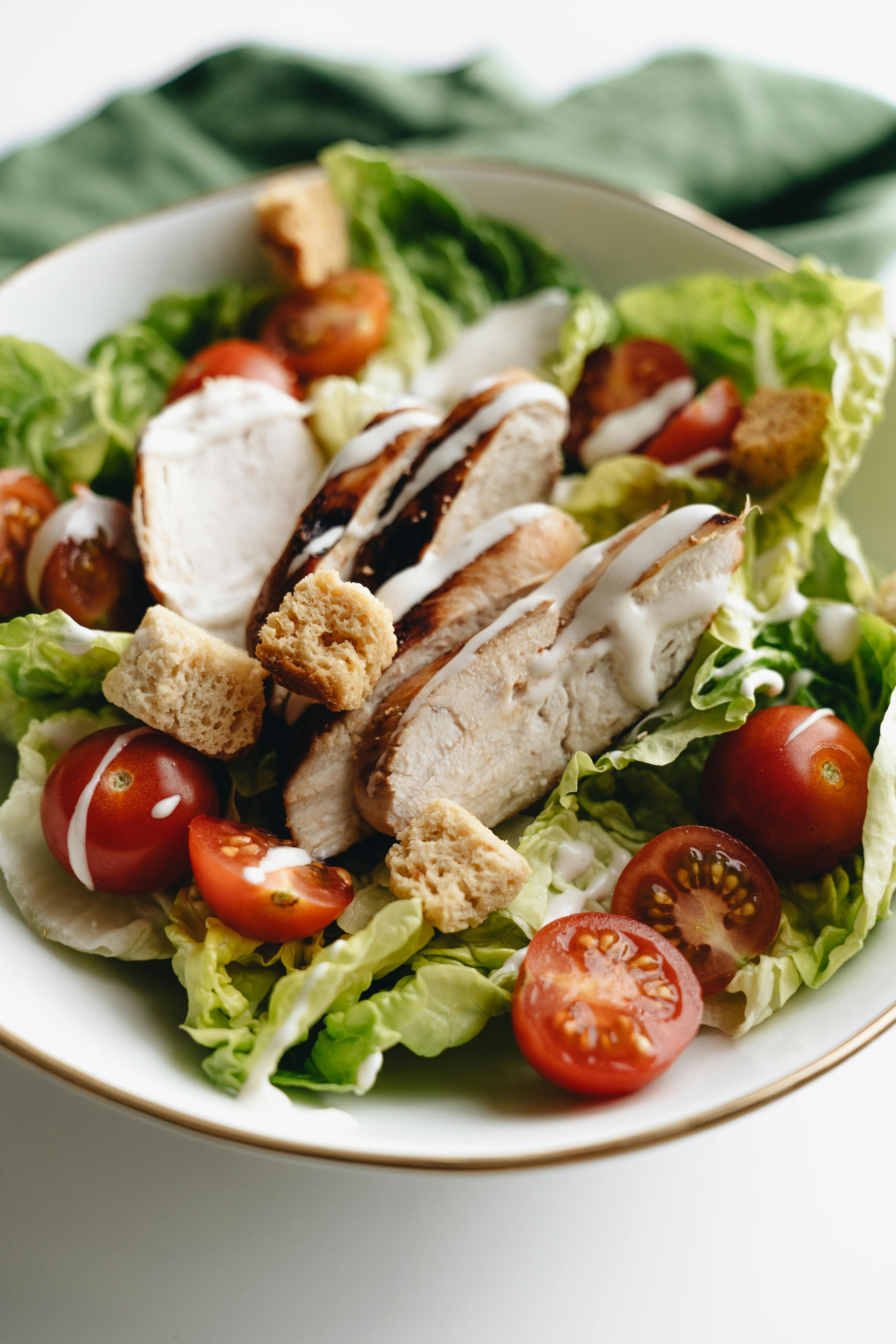
Protein plays a key role in sustainable weight loss. It supports muscle, reduces hunger, and helps control cravings.
Good protein sources include:
Eggs
Chicken
Fish
Greek yogurt
Beans and lentils
Including protein in every meal makes weight loss easier and more satisfying.
Carbohydrates and Weight Loss: Finding the Right Balance
Carbohydrates are not the enemy. The problem lies in refined carbs and oversized portions. Whole carbohydrates provide energy and nutrients essential for a healthy diet.
Examples of healthy carbs:
Rice
Oats
Potatoes
Fruits
Vegetables
Moderation is the key.
The Role of Healthy Fats in a Sustainable Diet
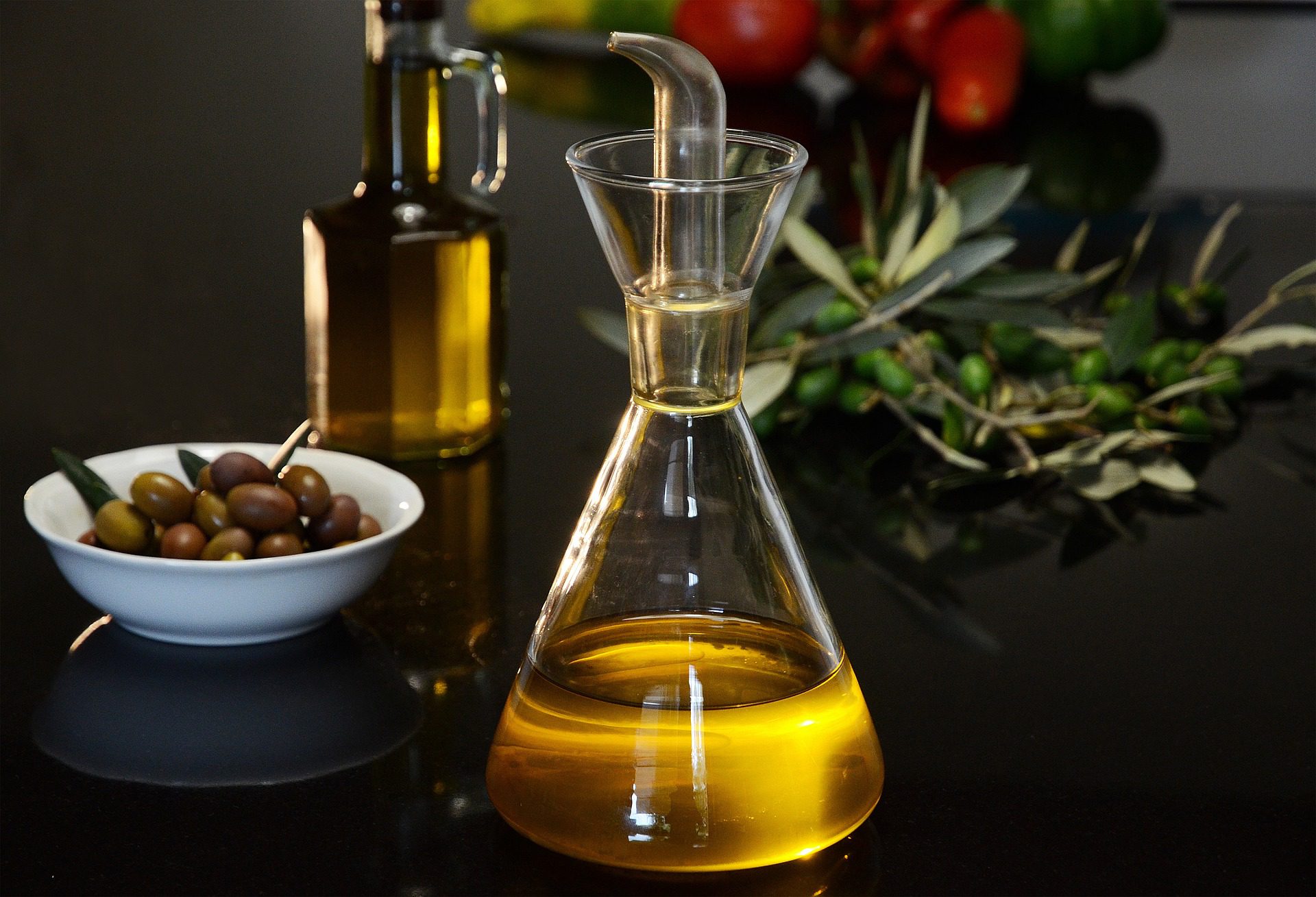
Healthy fats help improve satisfaction and prevent overeating. Removing fat entirely often leads to increased cravings.
Healthy fat sources include:
Olive oil
Avocados
Nuts
Seeds
Used in moderation, fats support long-term adherence.
Weight Loss Without Dieting: A Habit-Based Approach
Weight loss without dieting focuses on changing habits rather than following strict rules. Small changes, repeated daily, create powerful results.
Examples include:
Eating slower
Cooking more meals at home
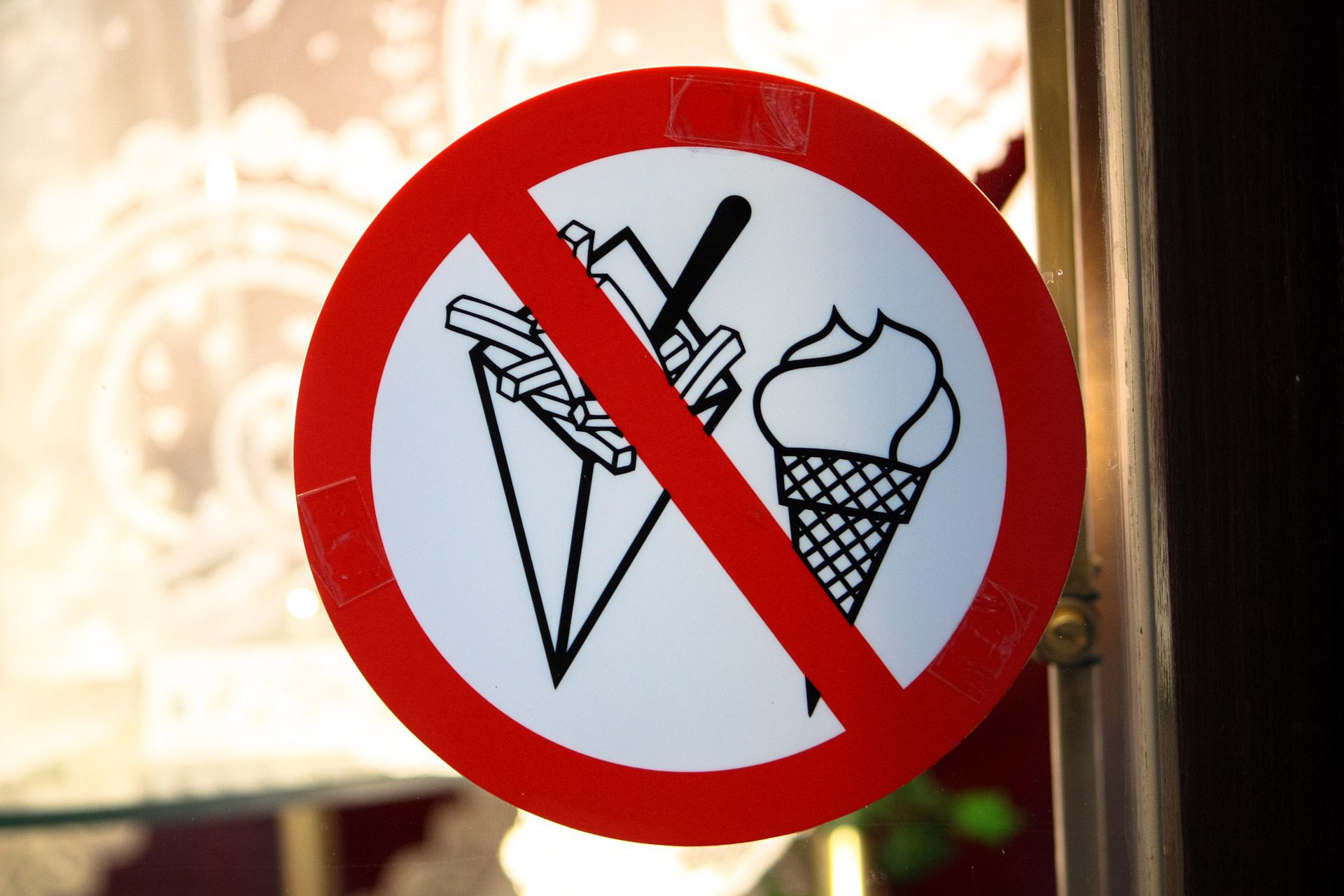
Reducing sugary drinks
Increasing daily movement
These changes are sustainable because they fit into real life.

Meal Planning for Sustainable Weight Loss
Meal planning doesn’t need to be complicated. A simple structure reduces stress and improves consistency.
A basic daily structure:
Breakfast: protein-focused
Lunch: balanced meal
Dinner: lighter but satisfying
Snacks: optional and intentional
This approach supports calorie control without restriction.

Sleep, Stress, and Their Impact on Weight Loss
Sleep and stress play a major role in weight loss. Poor sleep increases hunger hormones and reduces willpower, while chronic stress promotes emotional eating.
Improving sleep quality and managing stress often leads to natural weight loss improvements.

Common Nutrition Mistakes That Prevent Weight Loss
Some common mistakes include:
Skipping meals
Eating too little protein
Drinking calories
Expecting fast results
Avoiding these mistakes improves long-term success.
How Long Does Sustainable Weight Loss Take?
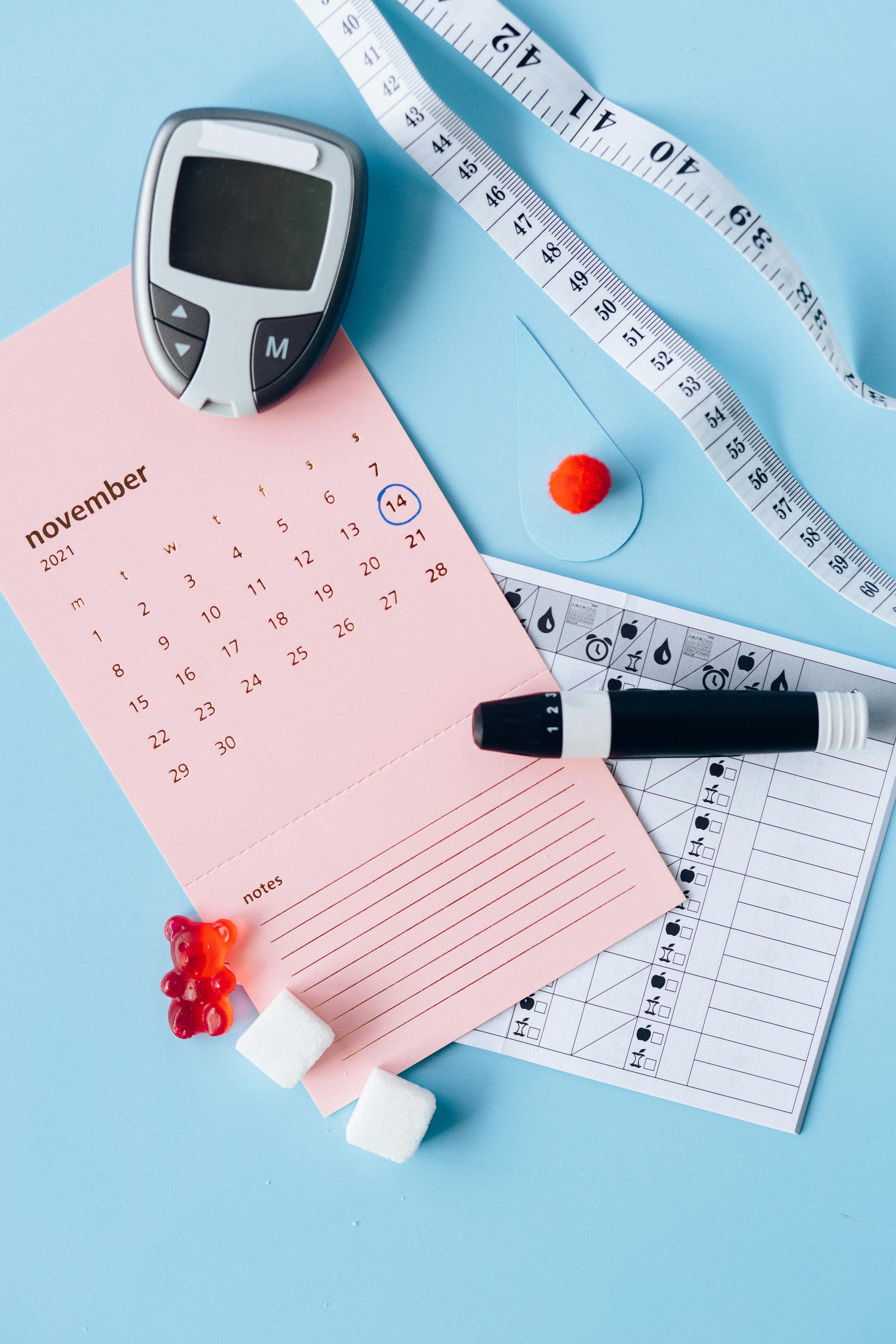
Sustainable weight loss is slower than extreme dieting, but it lasts longer. A realistic pace is gradual and steady.
Consistency matters more than speed.
Final Thoughts: Building a Lifestyle, Not a Diet
Sustainable weight loss is about creating a lifestyle you can maintain. When nutrition feels natural and enjoyable, results follow automatically.
Focus on progress, not perfection. Build habits you can repeat, even on busy days.
That’s how weight loss becomes permanent.