


Intermittent fasting (IF) has emerged as a leading method for women seeking to enhance energy, mental clarity, and manage weight effectively. Unlike traditional dieting, IF focuses on when you eat rather than what you eat. Many women find that structured fasting schedules not only aid in fat reduction but also improve hormonal balance, digestion, and overall vitality. Real-life experiences show that intermittent fasting can be seamlessly integrated into daily routines without feeling deprived or hungry.
Benefits of Intermittent Fasting for Women
1. Hormonal Balance
Fasting helps regulate crucial hormones like insulin, cortisol, leptin, and ghrelin, influencing fat storage, appetite, and energy. Women often notice reduced cravings, better mood, and smoother menstrual cycles.
Emily, 28, began 16/8 intermittent fasting and reported increased energy and fewer afternoon sugar cravings within three weeks.

Practical Tip: Pair fasting with nutrient-dense meals containing protein, healthy fats, and vegetables to support hormone function.
2. Effective Weight Loss and Fat Burning
During fasting periods, the body switches to stored fat for energy. This process, combined with healthy eating during eating windows, accelerates fat loss, particularly around the abdomen.
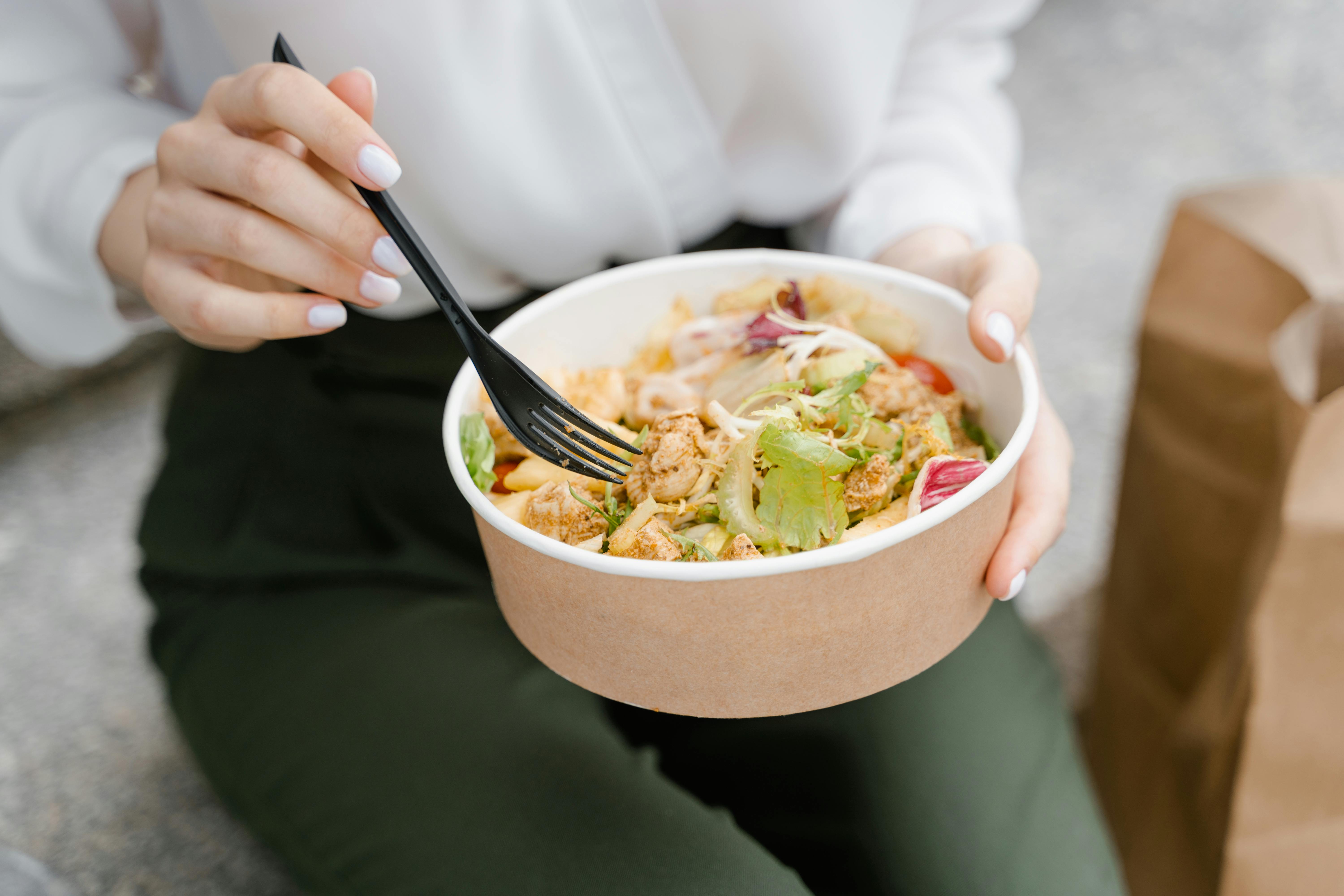
Lisa, 35, combined IF with light exercise and lost 8 pounds in six weeks without strict calorie counting.
3. Improved Brain Function and Focus
Intermittent fasting stimulates brain-derived neurotrophic factor (BDNF), supporting neuron growth and cognitive function. Many women report better focus, improved memory, and sustained energy throughout the day.

4. Digestive Health
Giving the digestive system a break during fasting allows for better nutrient absorption and reduced bloating. Incorporating fiber-rich foods during eating periods enhances gut health further.
Types of Intermittent Fasting for Women
16/8 Method: Fast for 16 hours, eat during an 8-hour window. Beginner-friendly and flexible.
5:2 Diet: Eat normally for five days, restrict calories for two non-consecutive days.
OMAD (One Meal a Day): Consume one meal per day; recommended for experienced individuals only.
Tip: Start gradually, track how your body responds, and adjust fasting hours if needed.
Practical Tips for Women
Stay Hydrated: Drink water, herbal teas, or black coffee during fasting periods.
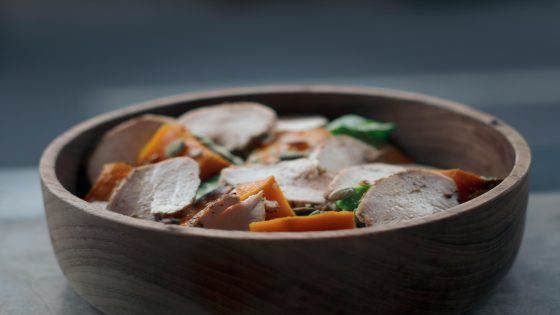
Plan Balanced Meals: Include lean protein, healthy fats, and fiber-rich vegetables to sustain energy.
Avoid Overeating: Post-fast meals should be nutrient-dense, not excessive in calories.
Track Progress: Maintain a journal of energy, mood, weight changes, and fasting windows.
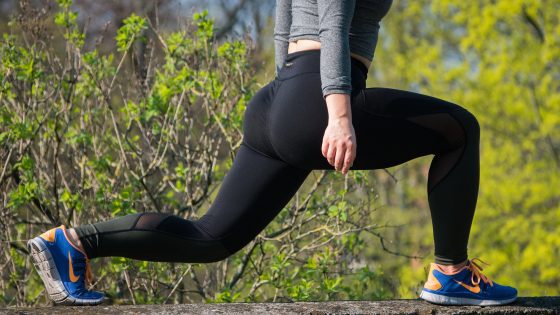
Include Light Exercise: Walking, yoga, or stretching supports fat burning and circulation without causing fatigue.
Common Mistakes to Avoid
Skipping Water Intake: Can cause headaches, dizziness, and fatigue.
Overeating After Fasting: Negates the benefits of fat burning.
Neglecting Nutrient Intake: Focus on nutrient-dense meals to maintain energy and hormonal balance.
Sample Meal Plan
Breakfast (after fasting): Greek yogurt with berries and chia seeds
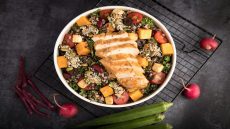
Lunch: Grilled chicken salad with avocado, cucumber, and olive oil
Snack: Mixed nuts with fresh fruit
Dinner: Baked salmon with steamed broccoli and quinoa
Alternative options include tofu, lentils, or eggs for protein variety.
Success Stories / Real-Life Experiences
Sarah, 32: Lost 10 pounds in eight weeks while following 16/8 fasting and daily 30-minute walks. Reported improved energy and mental clarity.
Mia, 27: Practiced 5:2 fasting and balanced her meals with protein-rich foods, resulting in reduced bloating and increased focus at work.
Tips for Beginners
Start with shorter fasting windows and gradually increase.
Avoid skipping meals during eating windows; balance is key.
Use apps or journals to track fasting periods and progress.
Listen to your body; rest if you feel dizzy or fatigued.
Myths vs Facts
Myth: “Fasting slows metabolism.”
Fact: Short-term fasting can improve metabolic efficiency and hormone balance.Myth: “Women shouldn’t fast.”
Fact: Many women safely practice intermittent fasting; schedules may be adjusted according to hormonal cycles.
Frequently Asked Questions (FAQ)
Q: Can I fast during pregnancy or breastfeeding?
A: No, intermittent fasting is not recommended during pregnancy or lactation.
Q: Can I exercise while fasting?
A: Light to moderate exercise is safe; for high-intensity workouts, consider eating before exercising.
Q: How soon will I see results?
A: Energy improvements often appear within 2–3 weeks, with weight loss and fat reduction noticeable after 6–8 weeks.