


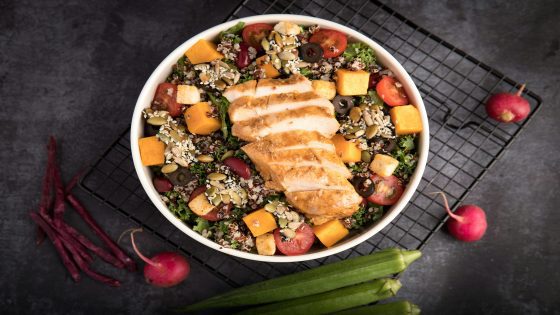
Intermittent fasting (IF) has become one of the most popular and effective strategies for weight loss and overall health. Unlike traditional diets that focus on restricting certain foods, IF emphasizes when you eat, which triggers a series of metabolic and hormonal changes in the body.
Many beginners often feel intimidated at first. For example, Jane, a 32-year-old office worker, worried she would feel hungry and irritable, but after trying a 12/12 schedule, she noticed that her energy actually increased, and she was able to focus better at work.
During fasting periods, your insulin levels drop, allowing your body to access stored fat for energy. At the same time, growth hormone levels increase, supporting fat burning and muscle preservation. These processes not only help with weight loss but also contribute to improved insulin sensitivity, heart health, and mental clarity.
IF is flexible and can fit various lifestyles. Beginners can start with simpler schedules, while advanced fasters can adopt more intense routines for faster results. Many people find IF easier to maintain than traditional calorie-restricted diets because it reduces decision fatigue and simplifies meal planning.
Pro Tip: Start with hydration-focused fasting. Drinking water, herbal tea, or black coffee helps your body adjust. Michael, a 27-year-old athlete, shares: “I drink green tea during my fasting window. It keeps me alert and surprisingly curbs my hunger.”
In this guide, we cover:
The science behind intermittent fasting
How to choose the fasting schedule that fits your lifestyle
Detailed nutrition strategies and meal plans
Exercise recommendations while fasting
Common mistakes and how to avoid them
Frequently asked questions with practical human examples
By the end of this article, you’ll have a clear roadmap to implement intermittent fasting safely, effectively, and sustainably, with insights directly from real-life experiences.
1. Understanding Intermittent Fasting
Intermittent fasting alternates periods of eating with fasting. During fasting, your body shifts from glucose to fat as its primary energy source, increasing fat burning and improving insulin sensitivity.
Popular Fasting Methods
16/8 Method: Fast for 16 hours and eat during an 8-hour window. Ideal for beginners.
Sarah, a 28-year-old teacher, eats between 12 PM and 8 PM. She skips late-night snacks and loses 7 kg in 10 weeks while feeling energetic at work.
5:2 Method: Eat normally 5 days, restrict calories to 500–600 on 2 non-consecutive days.
David, a software engineer, finds this method works around his travel schedule.
Eat-Stop-Eat: A 24-hour fast once or twice per week. Advanced method.
Tip: Start with 16/8 before attempting 24-hour fasts.
Alternate-Day Fasting: Fast every other day; more intense but effective for rapid fat loss.

Pro Tip: Track your progress with a simple journal. Note how your body reacts, energy levels, and mood. Real human feedback is key to staying consistent.
2. Health Benefits of Intermittent Fasting
IF offers multiple health benefits supported by research:
Weight Loss: Reduced calorie intake and improved metabolism lead to fat loss without significant muscle loss.
Lisa lost 5 kg in 6 weeks by following IF while practicing yoga daily.
Insulin Sensitivity: Helps regulate blood sugar and lowers type 2 diabetes risk.
Mark, prediabetic, noticed better glucose readings after 8 weeks.
Heart Health: Reduces blood pressure, cholesterol, and triglycerides.
Brain Health: Enhances focus, memory, and may lower risk of neurodegenerative diseases.
Longevity: Animal studies indicate fasting may extend lifespan.

Pro Tip: Combine fasting with walking or light cardio. Simple habits amplify health benefits and feel natural in daily life.
3. Choosing the Right Fasting Schedule
Selecting the right fasting schedule depends on lifestyle, work, and goals:
16/8: Beginner-friendly, socially flexible.
12/12: Gradual introduction to fasting.
5:2: Moderate results, occasional calorie restriction.
Eat-Stop-Eat: Rapid fat loss, advanced fasters.
Real-Life Advice:
Start gradually; don’t rush into long fasts.
Hydrate: water, herbal tea, black coffee.
Focus on nutrient-dense foods during eating windows.

Emma, a nurse, found that starting with 12/12 fasting made transitioning to 16/8 easy, without headaches or fatigue.
4. Foods to Eat During Eating Windows
Successful fasting depends on nutrient-dense foods:
Proteins: Eggs, chicken, fish, tofu, Greek yogurt
Healthy Fats: Avocado, olive oil, nuts, seeds
Complex Carbs: Oats, quinoa, sweet potatoes
Vegetables & Fruits: Broccoli, spinach, kale, berries
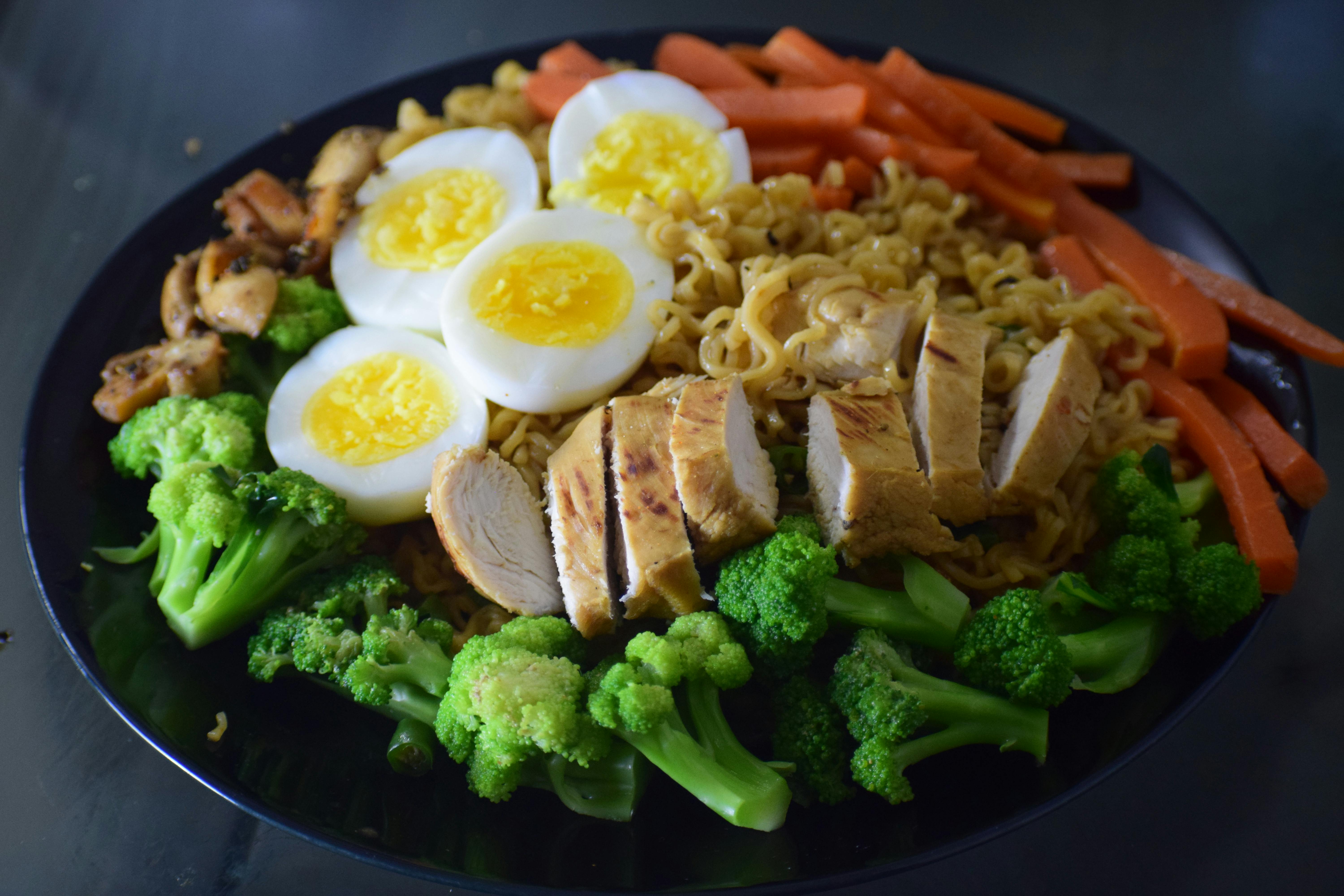
Anna consumes grilled salmon with roasted vegetables and quinoa. She feels full, energetic, and maintains her fasting schedule effectively.
Tip: Avoid overloading on “calorie-dense” but nutrient-poor foods during eating windows. Real-life experience shows balance is key to avoiding fatigue or bloating.
5. Exercise During Intermittent Fasting
Exercising while fasting can boost fat loss and improve metabolism, but it’s important to approach it carefully.
Light Exercise: Walking, yoga, stretching – perfect for beginners during fasting hours.
Tom, a 35-year-old office worker, does 30-minute morning walks while fasting. He feels energized and notices gradual fat loss.
Moderate Exercise: Bodyweight training, resistance bands – safe if you consume protein after workouts.
Carla combines 16/8 fasting with resistance band exercises in the afternoon eating window. She gains lean muscle and maintains weight.
Intense Exercise: Weightlifting or HIIT – best done during eating windows for energy and recovery.
Pro Tip: Schedule your most intense workouts just before your eating window to maximize energy and recovery.
Important: Listen to your body. Some people feel light-headed during early fasting workouts. Adjust intensity, stay hydrated, and break the fast if needed.
6. Common Mistakes to Avoid
Even with intermittent fasting, mistakes can reduce results:
Overeating During Eating Windows: People sometimes compensate by eating too much.
Alex tried 16/8 but ate heavy meals every 8 hours. He didn’t see weight loss until he controlled portion sizes.
Skipping Nutrients: Focus on balanced meals; avoid relying solely on snacks.
Ignoring Hydration: Water and herbal teas are crucial.
Not Listening to Your Body: Fatigue, dizziness, or headaches may indicate a need to adjust fasting schedule.
Pro Tip: Track progress with a simple journal. Note energy levels, hunger cues, and performance during workouts. Human feedback is invaluable.
7. FAQs with Practical Human Examples
Q1: Is intermittent fasting safe for everyone?
A: Mostly, yes. But pregnant women, people with medical conditions, or those with eating disorders should consult a doctor.
Rachel, who was prediabetic, consulted her physician before starting IF and chose a 12/12 schedule safely.
Q2: Can I drink coffee or tea?
A: Yes, black coffee, green tea, and herbal teas are allowed and may even suppress appetite.
Michael drinks green tea during his fasting window and feels alert without hunger.
Q3: What about social meals?
A: Flexible fasting schedules allow you to join social meals without breaking your routine. Plan around events to maintain consistency.
Q4: How quickly will I see results?
A: Typically, 3–6 weeks for noticeable weight loss. Metabolic improvements may appear sooner.
Lisa noticed better focus after 2 weeks and lost 5 kg in 6 weeks.
Intermittent fasting is a powerful, flexible, and evidence-backed strategy for weight loss, metabolic health, and longevity. By choosing a method that fits your lifestyle and focusing on nutrient-dense foods, you can see real, sustainable results.
Remember the key principles:
Start gradually, listen to your body, and hydrate.
Pair fasting with light to moderate exercise.
Avoid common mistakes like overeating or skipping nutrients.
Track your progress and adjust as needed.
The beauty of IF lies in its simplicity. By observing real human examples and applying practical advice, you can achieve a healthier body and sharper mind. Start small, stay consistent, and enjoy the journey toward better health.
Final Tips:
Include hydration-focused routines, herbal teas, and mindful eating.
Record your experience in a journal or app to optimize results.
Remember: consistency beats perfection; small daily improvements compound over time.