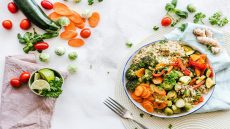


Eating well doesn’t need to be complicated. For busy people—parents, shift workers, students, or anyone with a full calendar—small, repeatable habits beat dramatic one-time changes. This article lists simple, practical nutrition habits you can apply today to feel more energetic, reduce cravings, and improve health over months and years. Each point includes real-life tips and a short meal idea you can copy.
1) Start with a protein-forward breakfast
A breakfast rich in protein helps steady blood sugar, reduces mid-morning cravings, and supports muscle maintenance. Aim for 20–30 g protein in your first meal if possible.

Why it works: Protein triggers satiety hormones (GLP-1, PYY) and slows digestion compared with sugary breakfasts.
Quick idea: Greek yogurt bowl (200g) with a scoop of whey or plant protein, a handful of berries and 1 tablespoon chopped nuts.
If you hate mornings, make overnight oats with protein the night before—grab and go.
2) Plan one “anchor” meal per day
Pick one meal you’ll always prepare well—commonly lunch or dinner—and build habits around it. This creates a simple baseline of nutrition you can rely on.
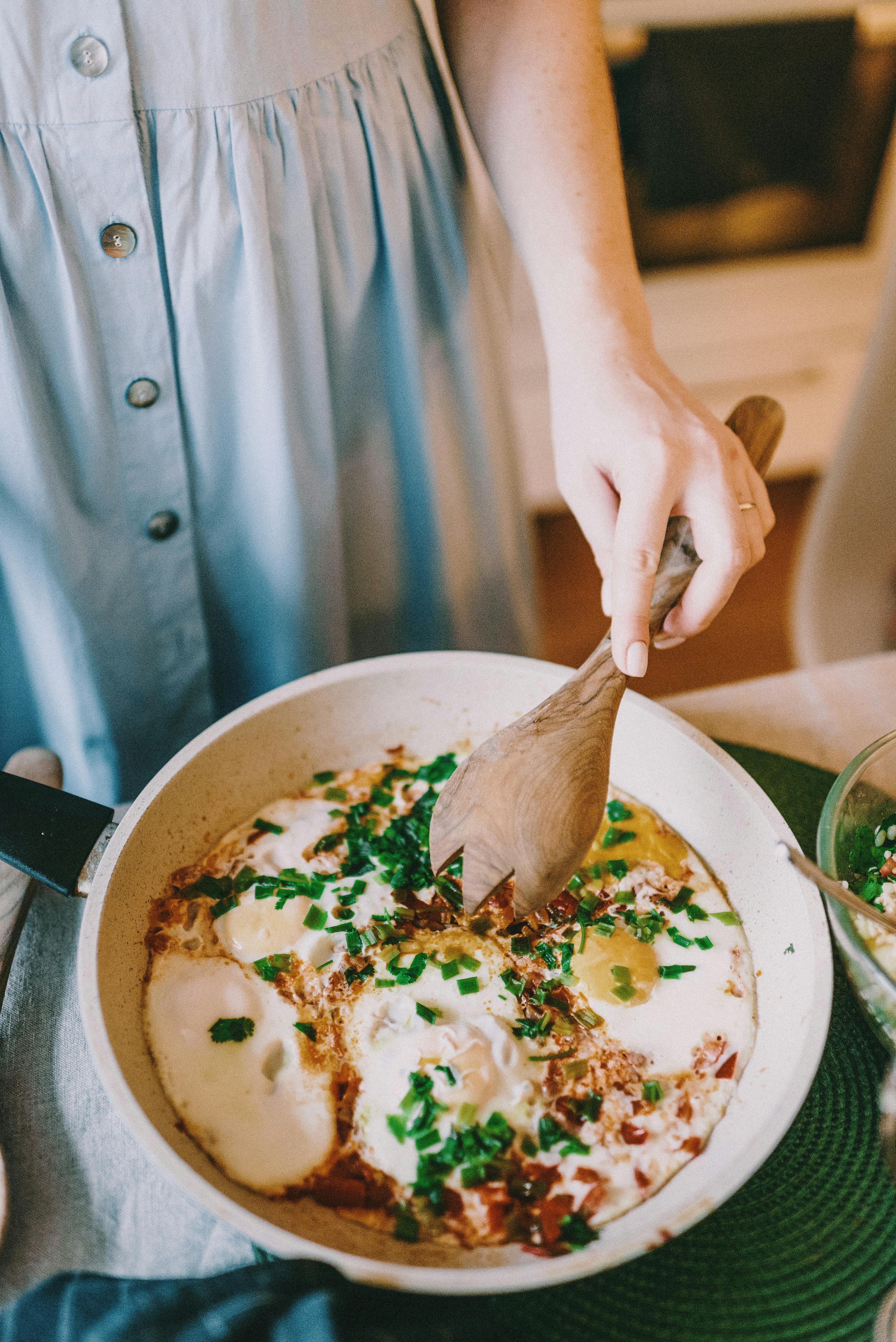
Why it works: One consistently good meal reduces pressure to be perfect all day and increases net nutritional quality.
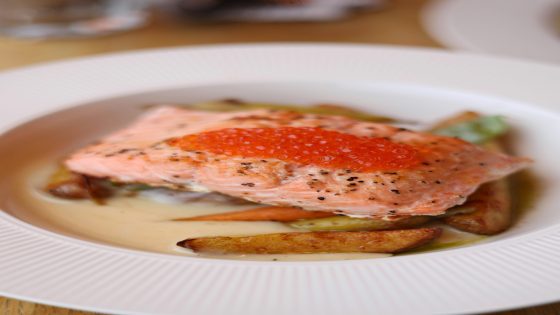
Quick idea: Sheet-pan dinner: salmon or chicken, a big tray of mixed vegetables, and a portion of sweet potato. Cook once, use twice.
3) Use simple rules, not strict rules
Replace rigid dieting with easy rules you can follow long-term: “Half my plate is vegetables,” “No sugary drinks on weekdays,” or “One treat per day.”
Why it works: Rules reduce decision fatigue and still allow flexibility.
Write one rule on a sticky note and put it on the fridge for two weeks—habits form by repetition.
4) Put fibre first at each meal
Fibre slows digestion, improves fullness, and supports gut health. Aim for vegetables, beans, whole grains, and fruit.
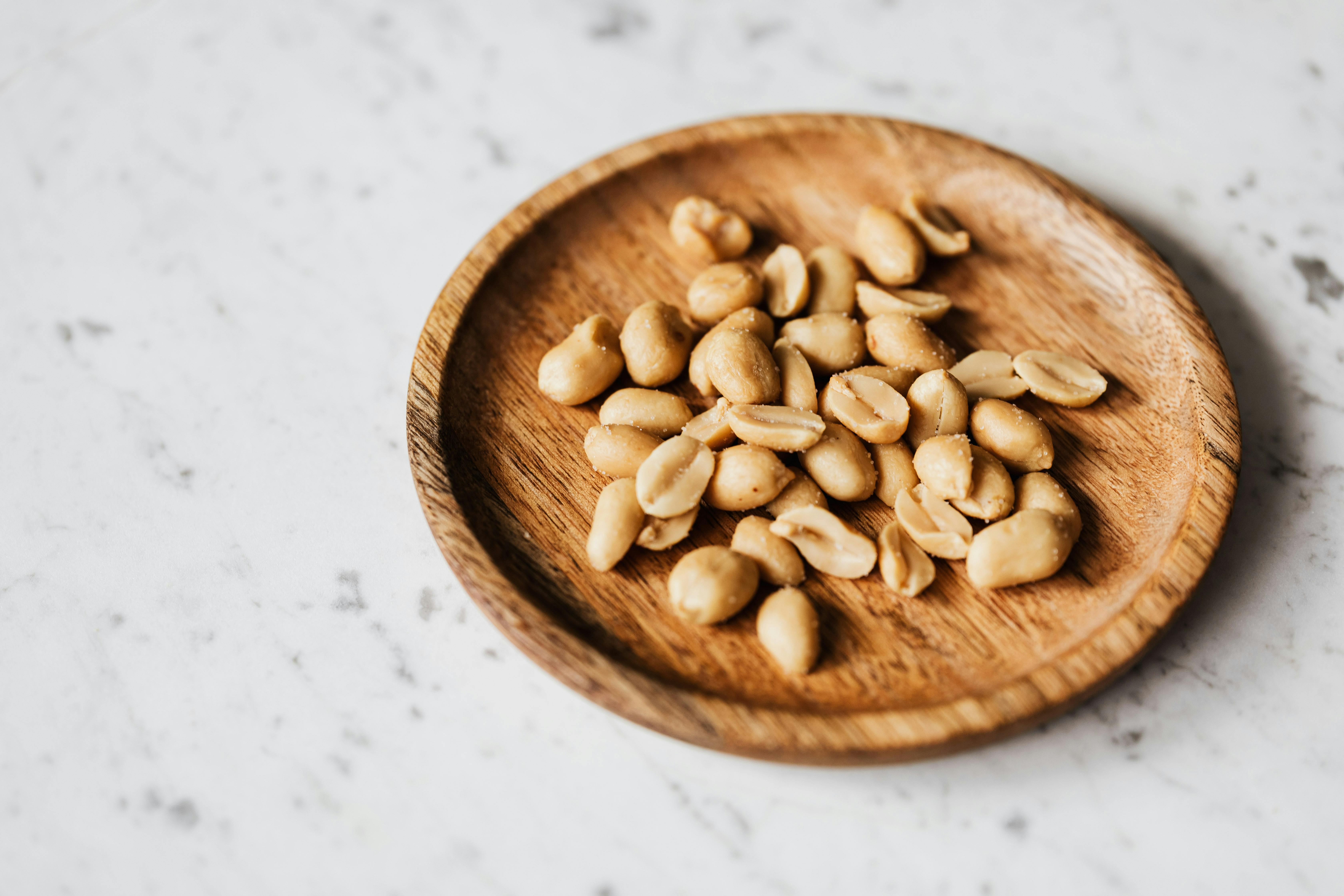
Quick idea: Add a cup of steamed greens or a side salad to every meal. Swap white rice for quinoa or brown rice.
5) Hydrate strategically
Thirst and mild dehydration can feel like hunger or tiredness. Make water a habit—carry a bottle, set reminders, or have a glass before each meal.
Add lemon or cucumber slices for taste. If you drink coffee, aim to balance with an extra glass of water.
6) Prioritize protein after training
If you exercise, prioritize a post-workout meal with protein within two hours. This supports recovery and lean mass.
Quick idea: Grilled chicken wrap with vegetables or a smoothie with protein powder and banana.
7) Choose whole foods and simple swaps
Swap processed choices for whole-food alternatives: canned beans vs. processed meat snacks, whole fruit vs. juice, plain oats vs. sugary cereal.
Why it works: Whole foods tend to be more filling and nutrient-dense per calorie.
8) Make meal prep easy and realistic
You don’t need all-day cooking. Pre-chop vegetables, batch-roast a tray of mixed vegetables and proteins, and portion into containers for 2–3 days.
Pick one hour on the weekend for “quick prep”—it saves multiple decision failures on busy nights.
9) Snack with purpose — not boredom
Choose snacks that add value: protein + fibre (e.g., apple with peanut butter, cottage cheese with cucumber, handful of nuts).
Quick idea: 1 small tin of tuna on whole-grain crackers + cucumber slices.
10) Track trends, not days — a weekly view
Don’t obsess over one meal. Track patterns across the week—3 good lunches, 4 nights with vegetables—that’s progress. Weekly wins beat daily perfection.
Why it works: We learn from patterns; small wins compound.
Breakfast: Greek yogurt + protein + berries + seeds.
Snack: Apple + 10 almonds.
Lunch: Grilled chicken salad (greens, quinoa, olives, olive oil).
Snack: Carrot sticks + hummus.
Dinner: Baked salmon, steamed broccoli, small baked potato.
Q: I don’t have time—what’s one change?
A: Make one swap: breakfast protein instead of a pastry. That alone reduces cravings.
Q: Do I need supplements?
A: Most needs come from food. Supplements help certain groups (iron for menstruating women, vitamin D for low sun). Check with a clinician.
Healthy eating is practical, repeatable habits—not perfection. Pick two habits from above, try them consistently for three weeks, then add two more. Over time your energy, sleep quality, and waistline will show the results. If you want, I’ll prepare the same fully-ready article for Fitness and Health next—same format, same quality.