



Eating healthy doesn’t have to be complicated or overwhelming. Small, consistent habits can drastically improve your energy levels, immunity, and overall well-being. This guide provides practical, science-backed tips that are easy to implement for beginners and seasoned health enthusiasts alike.
1. Prioritize Whole Foods Over Processed Foods
Whole foods contain the nutrients your body needs, unlike processed foods which are often high in sugar, unhealthy fats, and sodium. Focus on:
Fresh fruits and vegetables
Whole grains like quinoa, oats, and brown rice
Lean proteins like fish, chicken, and legumes

2. Eat Enough Protein Every Day
Protein is crucial for muscle maintenance, metabolism, and satiety. Include protein in every meal to prevent energy dips and control appetite.
Sources:
Eggs
Greek yogurt
Lentils and beans
Fish and lean meats
3. Hydrate Properly
Water plays a key role in digestion, energy, and concentration. Drinking 2–3 liters per day (adjust based on activity) helps maintain hydration and overall health.

4. Incorporate Healthy Fats
Healthy fats are essential for brain health, hormones, and nutrient absorption. Include:
Avocados
Olive oil
Nuts and seeds
Fatty fish like salmon
5. Balance Your Meals With Fiber
Fiber supports digestion, stabilizes blood sugar, and keeps you full longer. Aim for fiber-rich foods:
Vegetables and fruits
Whole grains
Beans and lentils
6. Limit Added Sugar
Reduce sugary beverages, desserts, and processed snacks. Swap them with:
Fresh fruit
Unsweetened tea
Dark chocolate (in moderation)
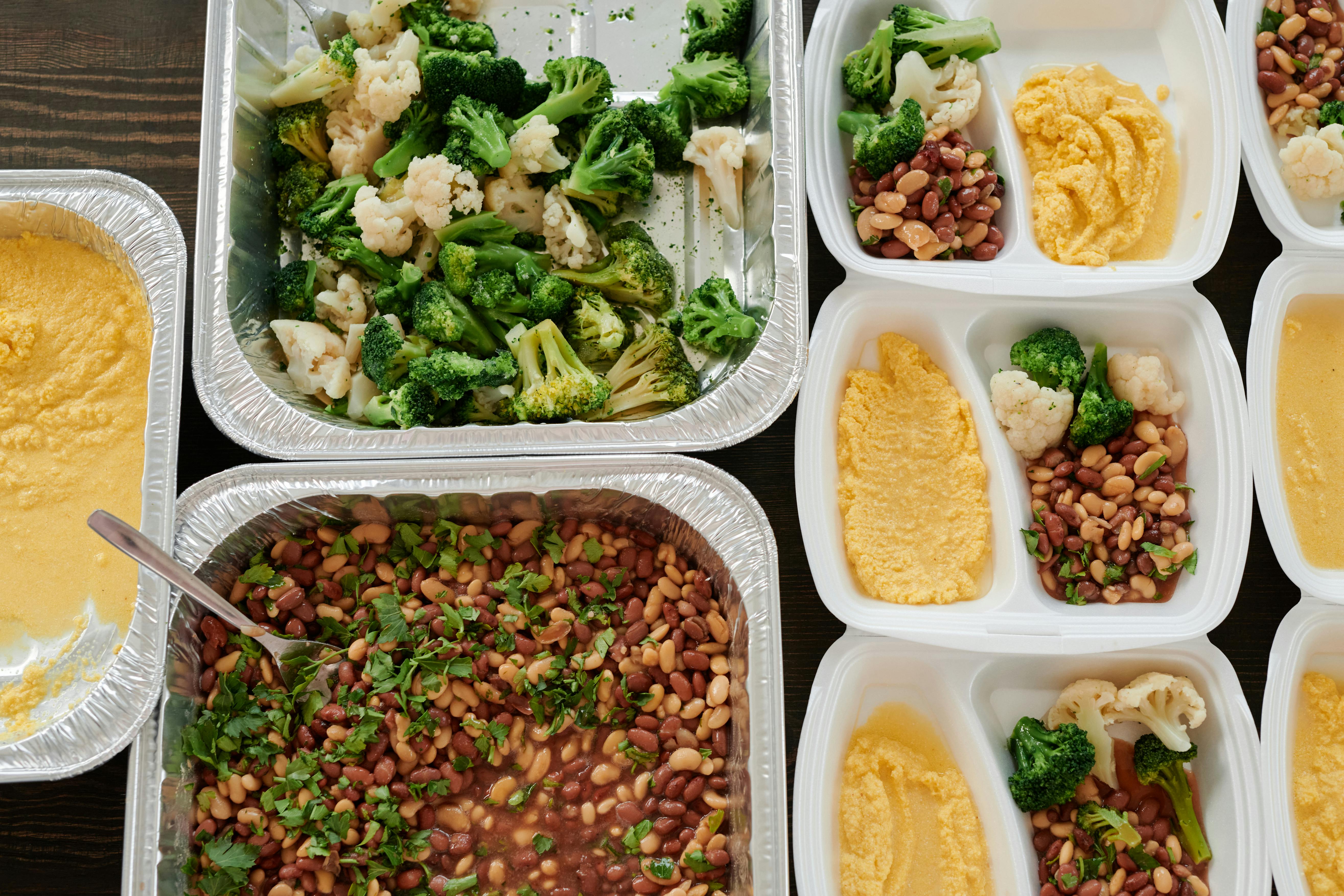
7. Plan Your Meals
Planning meals ahead ensures healthier choices and reduces last-minute unhealthy eating. Even simple meal prep can save time and improve nutrition consistency.
8. Mindful Eating
Pay attention to hunger cues, eat slowly, and avoid distractions like TV or phones. Mindful eating improves digestion and prevents overeating.
9. Snack Smartly
Choose snacks that provide energy and nutrients instead of empty calories:
Nuts and seeds
Greek yogurt
Fresh fruits or veggies with hummus
10. Keep a Food Journal
Tracking what you eat helps identify patterns, triggers for overeating, and areas for improvement.
Healthy eating is about consistency, not perfection. Implementing these habits gradually can transform your energy levels, health, and overall lifestyle. Focus on progress, enjoy your meals, and build a sustainable nutrition routine.